
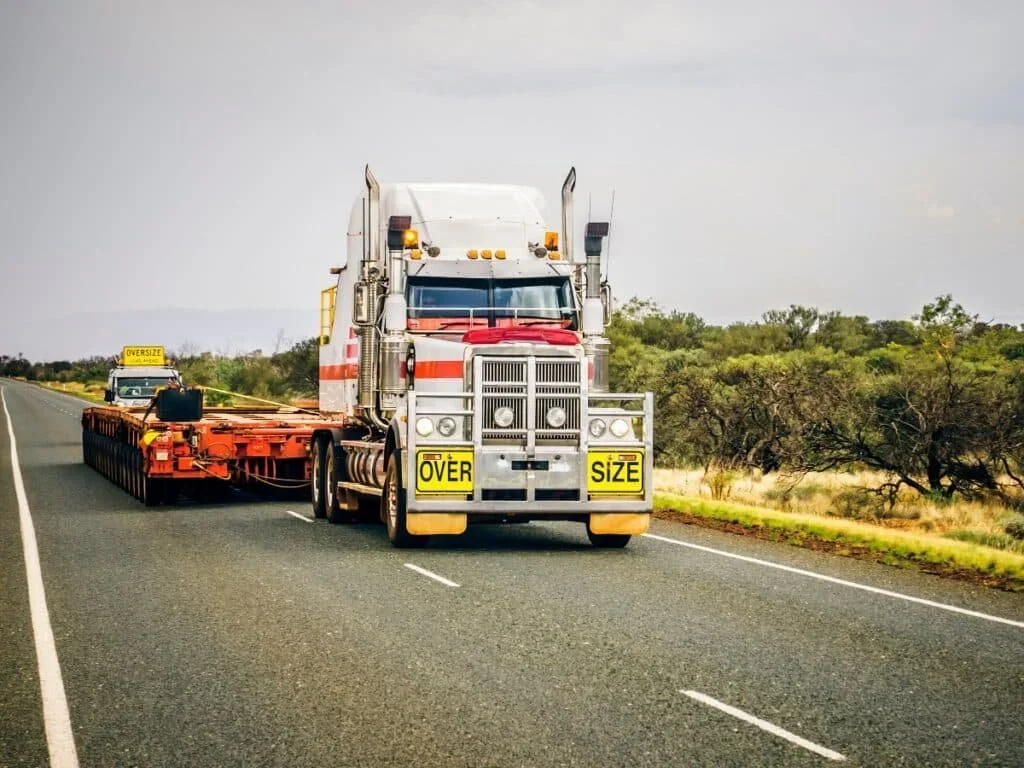
Oversize Overmass Training
Course Overview
The VTA in partnership with Engistics, recognises that there is a serious need to raise the awareness, understanding and knowledge of Heavy Vehicle National Law (HVNL), the application of Chain of Responsibility (CoR) and the need to provide a risk reduction for the transport of Oversize Overmass (OSOM) loads throughout Victoria.
The session focuses on real-world application, helping participants identify risks within their operations and understand how responsibility is shared across the supply chain. It is ideal for those seeking to strengthen OSOM compliance, improve safety outcomes, and reduce exposure to enforcement action.
Course Details
Delivery: In-person
Location: VTA Office, Level 1, AAT House, 46 Kooringa Way, Port Mlebourne VIC 3207
Duration: 3 hours commencing 8:00AM
Certificate: Certificate of completion provided
Price: $395 +GST VTA/VWMA Members
$445 +GST Non-Members
Registration
Places are limited each session. Early registration is recommended to secure your spot. For further information, please contact Serah Corazza at training@vta.com.au.
-
This session is suitable for OSOM:
Business owners and company directors
Transport managers and schedulers
Drivers responsible for loading or restraining loads
Safety, compliance, and operations staff
Anyone with CoR obligations within the supply chain
-
Introduction to Heavy Vehicle National Law requirements for load restraint
26C Primary Duty : overview, intent and application
Key Parties in the Chain for OSOM tasks
Likely OSOM risk for key parties in the chain
Key planning activities for OSOM tasks and risks to consider
Completing Transport Management Plan for OSOM loads
Permits and escort requirements
Case Study example
-
By the end of this session, participants will be able to:
Understand their legal obligations under Chain of Responsibility
Identify where CoR risks exist within their operations
Apply compliant load restraint principles in practice
Reduce the risk of incidents, penalties, and enforcement action
Improve safety outcomes across their business and supply chain
None of these dates work for you?
Register your interest to be notified of future training dates
Want to run this course in-house?
Inquire about running this course in-house